Functional Consequences of errors in mitosis
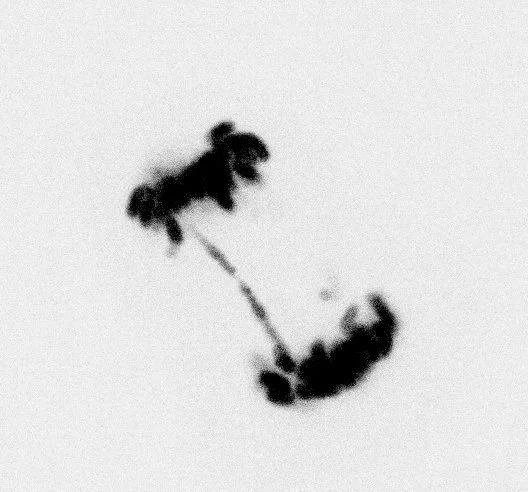
Our laboratory investigates the immediate and lasting effects of mitotic errors, with emphasis on how chromosome mis-segregation affects genome function BEYOND genetic alterations.
Starting point - inspiration
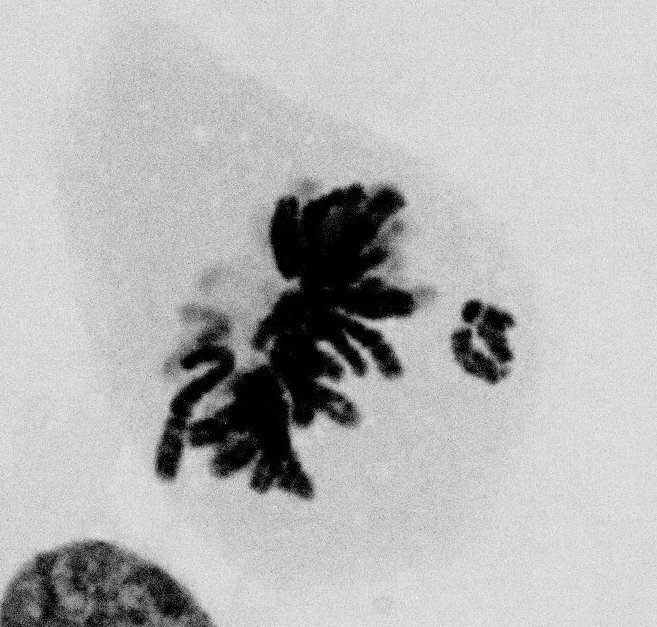
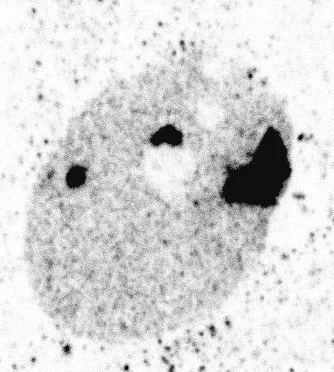
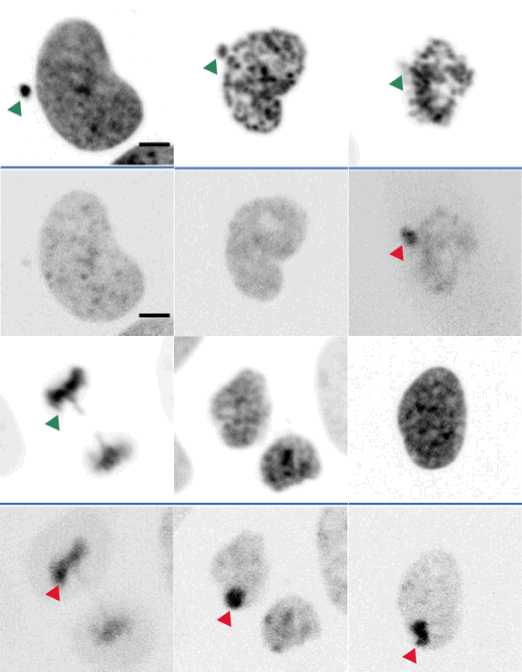
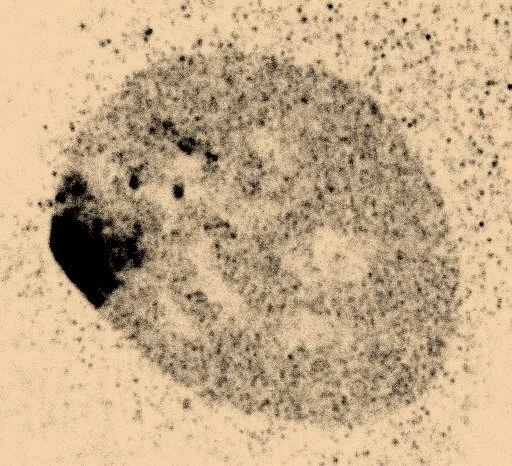
We recently described a paradigm of chromatin lesion inheritance through “MN-bodies”—reincorporated chromosomes from micronuclei into the primary nucleus of daughter cells [Papathanasiou et al. 2023].
This discovery revealed a previously unrecognized mechanism of massive lesion heritability and epigenetic instability with potentially fundamental physiological significance.
Main Drive
Uncover previously unknown mechanisms of response to errors in mitosis
Research pillars
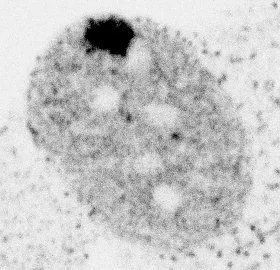
i. Cellular responses to mitotic errors
Understand how cells sense, respond to and propagate aneuploidy and abnormal nuclear structures
ii. Non-genetic consequences of chromosome mis-segregation
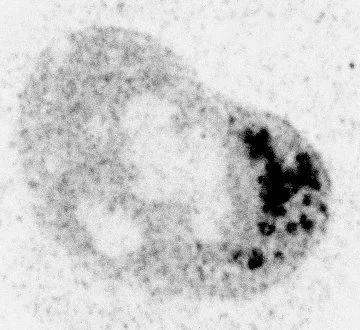
Investigate effects on transcription, chromatin state, and 3D-genome organization
iii. Early events in tumor evolution
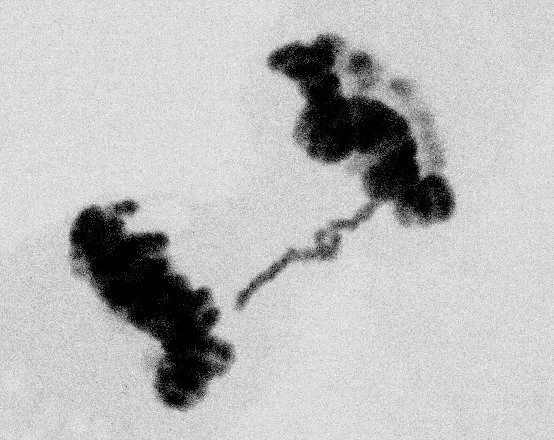
Decode the choreography of events that initiate chromosomal instability in cancer development
Innovation
Technology development is central to our approach.
We have developed:
- methods to target specific chromosomes for mis-segregation and micronucleation (Leibowitz and Papathanasiou et al. 2021)
- novel cellular systems to detect and track MN-bodies with high spatiotemporal resolution (Papathanasiou et al. 2023)
- “SimaDi” (Same-cell Imaging and Direct Isolation): a platform integrating live-cell imaging and single-cell genomics to link phenotype with molecular function [based on our “Look-Seq2”]


IMB
Institute of Molecular Biology
funded by the
Boehringer Ingelheim Foundation
Ackermannweg 4
55128 Mainz, Germany
E-Mail:info@imb.de
Phone: +49-6131-39-21501